
Understanding Measured Building Surveys
In the realm of construction and property development, measured building surveys stand out as a fundamental prerequisite for ensuring informed decisions and successful outcomes. These surveys provide detailed data about existing structures, offering insights vital for planning new projects, assessing renovations, or understanding the architectural elements of a property. Specifically in London, where building regulations and planning permissions can be intricate, these surveys serve as a cornerstone for various stakeholders. For those interested, Measured building survey london is an invaluable resource to gain precise information about building dimensions, layouts, and conditions.
What is a Measured Building Survey?
A measured building survey is a comprehensive process that captures accurate information about the dimensions and layout of a property. This encompasses everything from the general floor plan to detailed measurements of walls, doors, windows, and other architectural features. The result is a set of precise documents and drawings that reflect the building as it currently exists, essential for architects, engineers, and construction professionals alike.
Importance of Measured Building Surveys London
In London’s competitive real estate market, the importance of measured building surveys cannot be overstated. For property developers and contractors, these surveys offer a realistic depiction of a property that aids in avoiding costly errors during planning and execution. Furthermore, they are often a requirement for securing planning permissions from local authorities, ensuring compliance with regulations. The accuracy provided by these surveys allows for the effective design of structural modifications, renovations, and new constructions that align with existing conditions.
Key Features of Measured Building Surveys
- Detailed Floor Plans: Indicate the layout of spaces within the building, including room dimensions and relationships.
- Elevation Drawings: Provide a view of the building’s external surfaces from different angles, showcasing height and design elements.
- Section Drawings: Cross-sectional views that demonstrate the internal structure of the building.
- 3D Models: Advanced surveys can produce three-dimensional models, useful for virtual presentations and planning.
Who Needs a Measured Building Survey?
Architects and Engineers: Critical Stakeholders
Architects and engineers rely heavily on measured building surveys to inform their design and planning processes. Accurate representation of a building’s features allows these professionals to create designs that are not only visually appealing but also structurally sound and compliant with safety standards.
Legal Requirements for Property Transactions
In property transactions, measured building surveys are indispensable. They provide potential buyers and solicitors with critical information about the property, ensuring that all parties are aware of the physical layout and any structural issues, thus minimizing litigation risks. This is particularly crucial in London, where disputes over property boundaries and conditions can lead to significant financial implications.
Residential vs. Commercial Needs
Whether for residential projects or large commercial structures, the need for measured building surveys varies. Residential clients typically require surveys for renovations or extensions, while commercial developers often require them for large-scale projects that must align with extensive planning regulations.
Top Equipment Used for Measured Building Surveys
Innovative Technologies in Surveying
In today’s surveying landscape, technology plays a pivotal role in enhancing accuracy and efficiency. Surveyors in London utilise various state-of-the-art equipment to ensure precise outcomes, including:
- 3D Laser Scanners: Capture millions of data points in real time, providing detailed 3D models of the survey area.
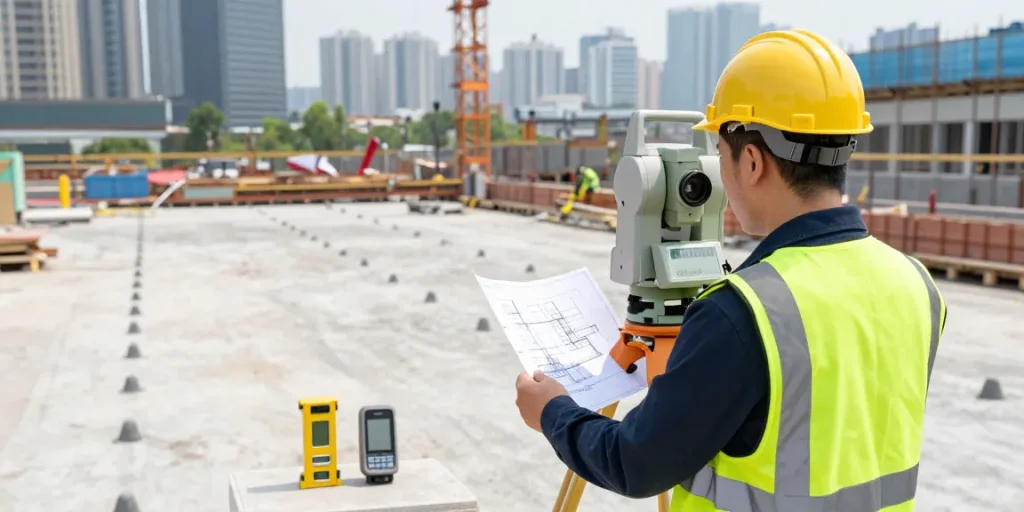
- Total Stations: Combines a theodolite with electronic distance measurement, allowing for precise angle and distance measurements.
- GPS Surveying Equipment: Utilises satellites for accurate positioning, especially beneficial in large-scale or rural projects.
- Drones: Used for mapping difficult-access areas, providing an aerial perspective that is invaluable for large sites.
Benefits of Using 3D Laser Scanners
3D laser scanners not only expedite the surveying process but also increase the accuracy of measurements. They are particularly useful in complex environments, allowing surveyors to create comprehensive models that can be used for various applications, from design to structural analysis.
GPS Technology and Its Impact on Accuracy
The integration of GPS technology has monumental implications for the accuracy of measured building surveys. This technology allows surveyors to record precise geographical locations, which can then translate into accurate site plans and models, reducing human error and improving overall reliability.
Cost Considerations for Measured Building Surveys
Factors Affecting Survey Costs in London
The cost of a measured building survey can vary significantly based on several factors, including the size and complexity of the property, the required level of detail, and the technologies employed. Typically, larger and more intricate buildings will incur higher costs due to the increased time and resources needed to conduct the survey.
Averaging Prices: Small vs. Large Projects
For small residential projects, costs may range from £300 to £800, while larger commercial surveys can exceed £2,000 depending on the requirements. It is advisable to obtain multiple quotes and consider not just price but the experience and reputation of the surveying company.
Value for Money: Understanding the Return on Investment
Investing in a measured building survey can yield significant returns. By providing detailed and accurate data, these surveys prevent costly mistakes in the construction process and help ensure that projects are executed according to plan. Additionally, they can enhance property value by uncovering potential issues before they escalate.
Common Challenges in Measured Building Surveys
Addressing Misconceptions about Surveying
Many property owners underestimate the importance of measured building surveys, viewing them as an optional expense. However, these surveys are essential for informed decision-making and can save time and money in the long run.
Overcoming Technical Limitations of Equipment
While advancements in surveying technology have greatly improved accuracy, technical limitations still exist. For instance, certain equipment may struggle in densely built environments or under adverse weather conditions. Surveyors must be adept at selecting the right tools for each specific job to mitigate these challenges.
Future Trends in Measured Building Surveys
The future of measured building surveys is undoubtedly exciting. As technology continues to evolve, techniques such as augmented reality and artificial intelligence are beginning to have a significant impact on how surveys are conducted and utilised. These innovations promise to enhance the precision, efficiency, and applicability of survey data in various sectors.
What is the duration of a measured building survey?
The duration of a measured building survey can vary widely based on the size and complexity of the property. Typically, small residential surveys may take a few hours, whereas larger commercial projects could take several days. Surveyors usually provide timelines at the outset of the project.
How do I choose a measured building surveyor?
Choosing a qualified measured building surveyor involves evaluating their experience, client reviews, and accreditation. It is crucial to select a surveyor who understands the specific needs of your project and is familiar with local regulations.
What are the typical deliverables from a measured building survey?
Deliverables usually include detailed drawings, 3D models, and comprehensive reports outlining the findings of the survey. These documents serve as essential tools for architects and builders moving forward with their projects.
Can I integrate survey data with CAD software?
Yes, most measured building survey data can be seamlessly integrated into CAD software. This integration allows for more effective planning, design, and modification of building projects based on accurate measurements.
Why do I need a survey for my property?
A measured building survey provides essential data that aids in making informed decisions regarding your property. It helps identify potential issues, clarifies the property’s condition, and ensures compliance with relevant building regulations, ultimately safeguarding your investment.